Staying alert during your workouts is super important for keeping injuries at bay. When you're focused and aware of your surroundings, you're less likely to make mistakes. Here are some tips to help you stay sharp while you sweat it out.
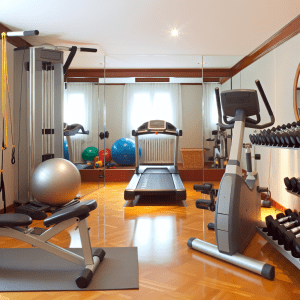
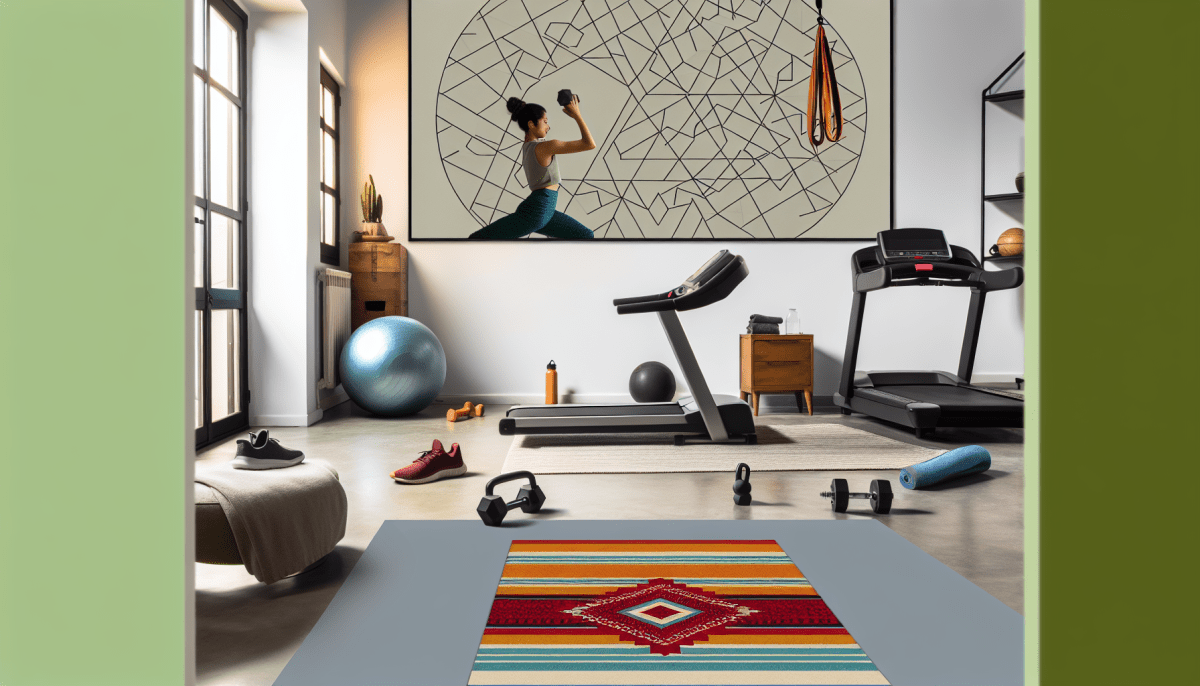
First off, make sure your workout space is clutter-free. Trip hazards like weights or equipment lying around can easily lead to accidents. Before you start, take a quick look around and put everything in its place. Your space should feel safe and inviting.
Next, pay attention to your form. It’s easy to zone out when you’re grinding through a set, but bad form can lead to injuries. Check in with yourself regularly. If you notice your posture slipping or you're feeling a strain in an odd spot, take a break and fix it. Your body will thank you later!
Also, consider using a mirror if possible. A mirror lets you see your form in real-time, helping you catch any mistakes right away. If you don’t have a mirror, try filming yourself with your phone to spot any issues. It’s all about keeping everything in check so you can work out without worry.
Lastly, listen to your body. If you feel pain or discomfort that doesn’t seem right, stop. Pushing through pain only sets you up for bigger injuries down the line. Remember, staying alert isn't just about your surroundings—it's about tuning in to how you're feeling, too!
Use Equipment Correctly Every Time
Using your home gym equipment the right way is key to staying safe and getting the most out of your workouts. It’s easy to get caught up in the excitement and rush through things. But taking a moment to focus on how you use each piece will pay off in the long run.
First up, always read the instructions! I know, it sounds obvious, but so many people skip this step. Each machine or tool has its quirks. Understanding how to set it up properly helps prevent accidents and injuries. Plus, you might discover features you didn't even know about!
Next, make sure you adjust the equipment to fit your body. Your height and weight can change how you should use machines or weights. A quick adjustment can make all the difference. Don’t just jump on a treadmill or grab dumbbells without making sure they're just right for you.
Lastly, never hesitate to ask for help if you’re unsure. Whether it's a friend or a video tutorial, a little guidance goes a long way. Proper form matters, and practicing with correct posture not only keeps you safe but also enhances your workout efficiency.
Maintain Your Space for Safety
Keeping your workout space safe is super important. A clutter-free area helps you focus on your exercises without worrying about tripping or knocking something over. Start by organizing your equipment. Stow away weights, mats, and bands when you’re not using them. Create a designated spot for everything, so it’s easy to grab what you need and put it back after your workout.
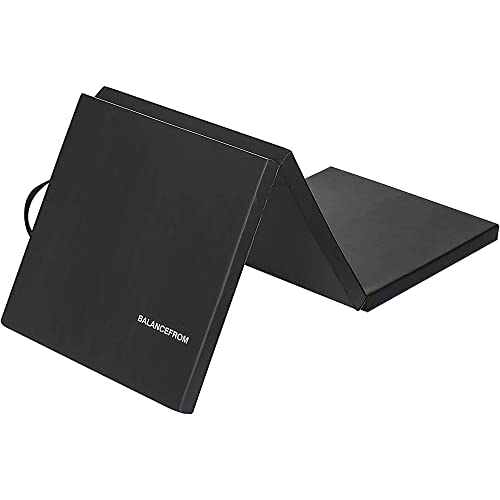
Don’t forget about the floor! Make sure it’s clean and clear of any obstacles. If you have carpet, check for loose edges that could trip you up. A non-slip mat can really help prevent accidents too, especially when you’re moving around or doing high-intensity workouts. Safety first, right?
Lighting matters too. A well-lit area helps you see where you’re going and what you’re doing. If you’re using weights or machines, clear visibility helps avoid accidents. Natural light is great, but consider adding bright LED lights if your space is a bit dim.
Last but not least, check your equipment regularly. Look for any wear and tear. A faulty machine or a frayed resistance band can lead to injuries. Keep everything in good shape, and it’ll keep you safe while you sweat it out.
Listen to Your Body Always
Listening to your body is one of the most important rules for safe workouts at home. Your body knows what it needs. If you're feeling pain, especially sharp or unusual pain, it’s a signal to stop and assess what’s going on. Pushing through the pain might seem tough, but it can lead to serious injuries.
Be aware of how your body feels during your workout. If you notice anything off like discomfort or fatigue, don’t hesitate to take a break. Sometimes a few extra minutes of rest can make a big difference. Feel free to modify moves or switch to a lighter weight. It's better to slow down than to end up sidelined.
Warm-ups and cool-downs are your friends. They help prepare your muscles for what’s ahead and aid in recovery afterward. If you skip these, you might not give your body the chance it needs to adjust. Just like you wouldn’t jump into a cold pool, don’t dive straight into intense workouts without getting your body ready.
Lastly, be patient with yourself. Everyone has off days, and your strength may vary from one workout to the next. Adjusting your workout based on how you feel isn't a sign of weakness; it’s a smart way to train. Celebrate small wins and listen to what your body is telling you. It knows best!